Variable Speed Drive vs Variable Frequency Drive

Introduction
Electric motors are widely utilized in various industries due to their efficiency and convenience. However, many industries have high energy demands, prompting factory owners to seek ways to optimize energy usage. To achieve this, technological solutions such as variable speed drives and variable frequency drives are commonly employed. In this article, we'll explore the difference between a variable speed drive and a variable frequency drive.
Electric Motor Applications
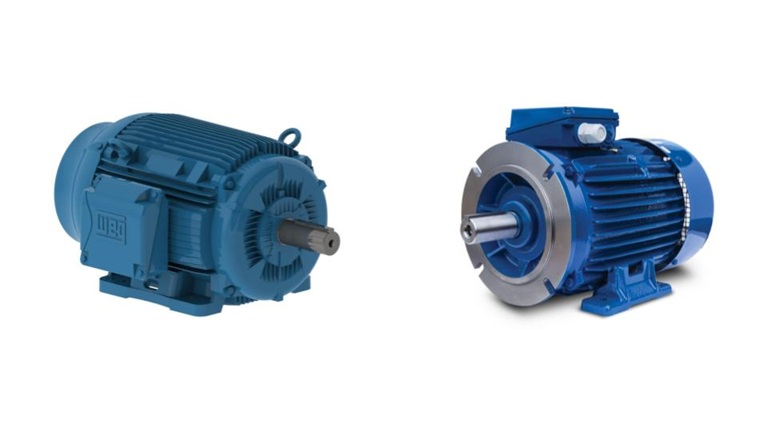
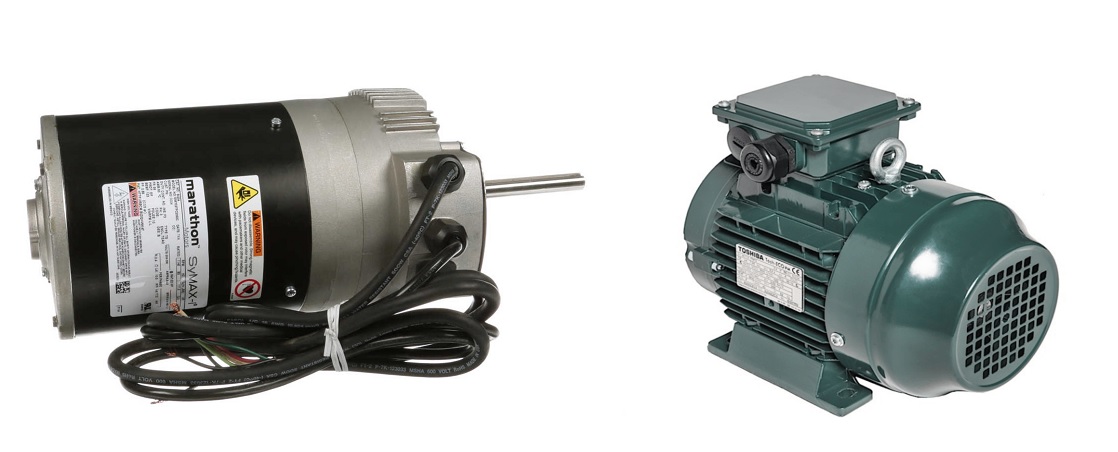
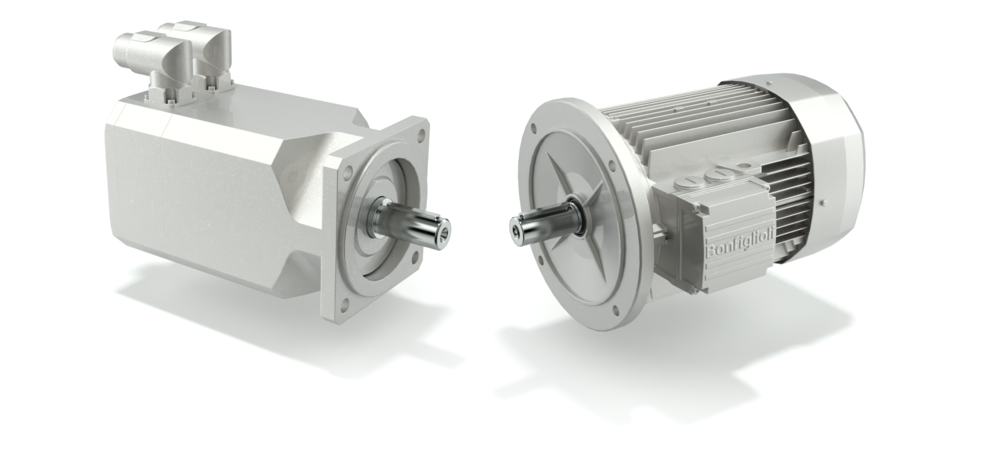
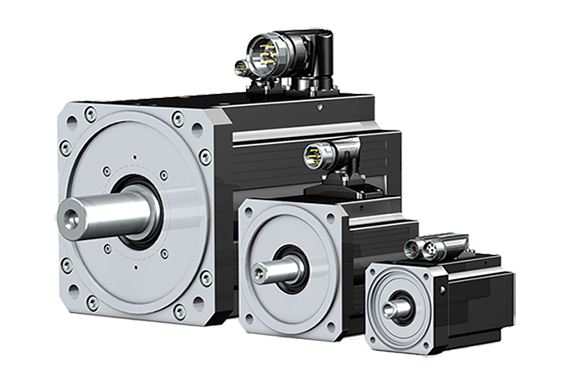
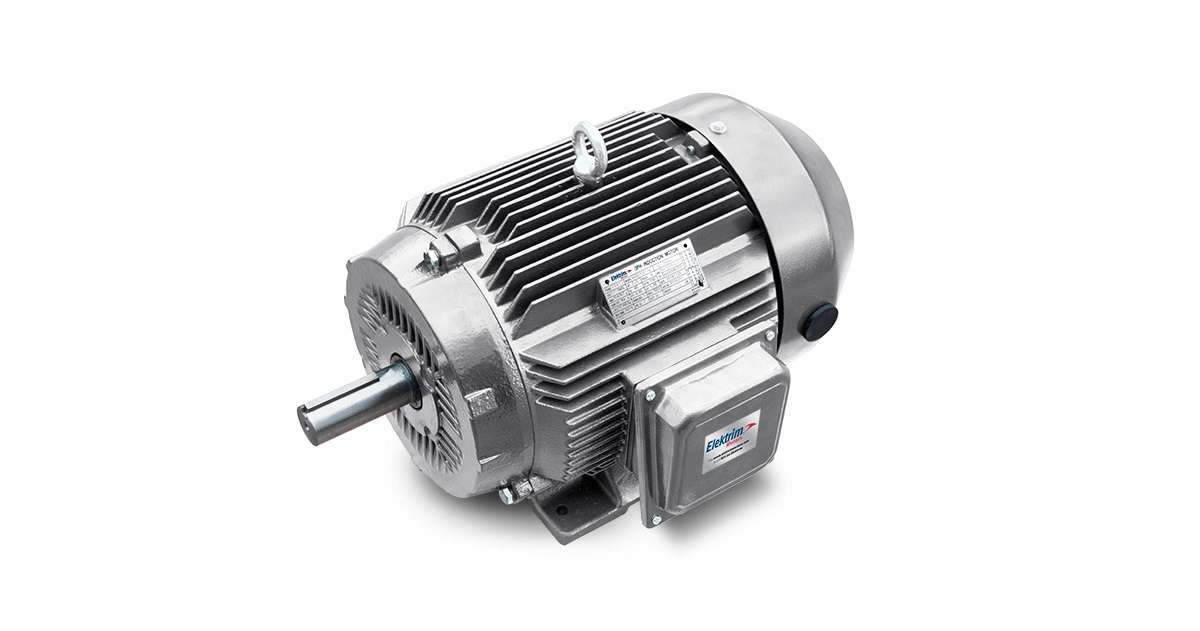
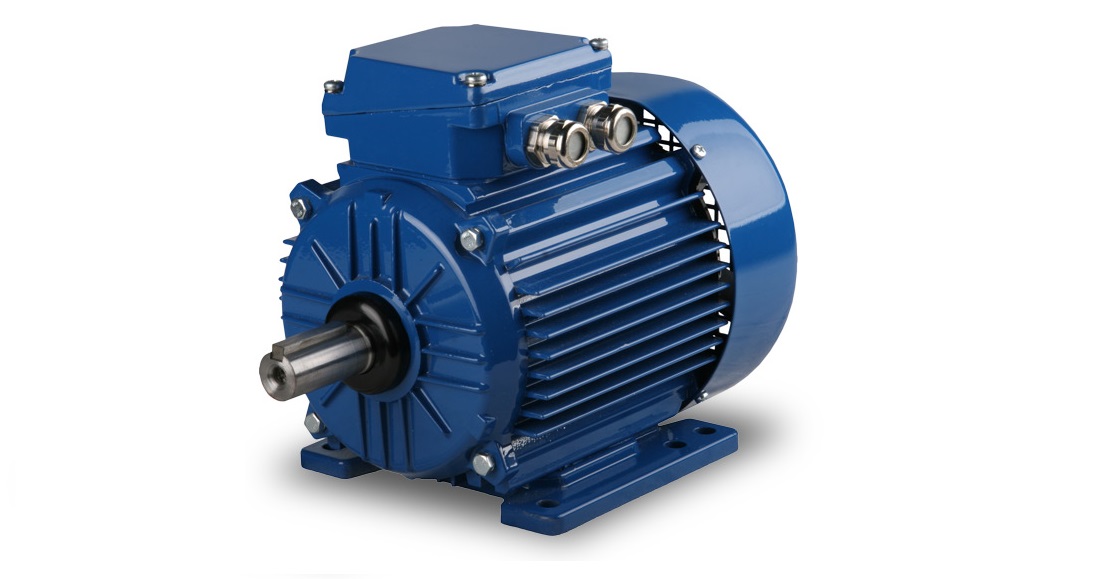
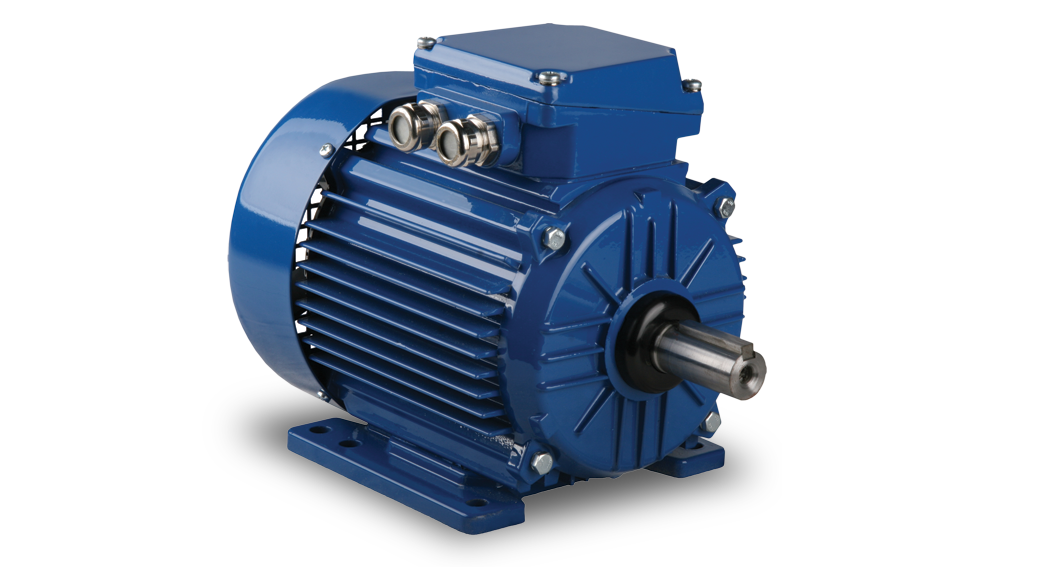
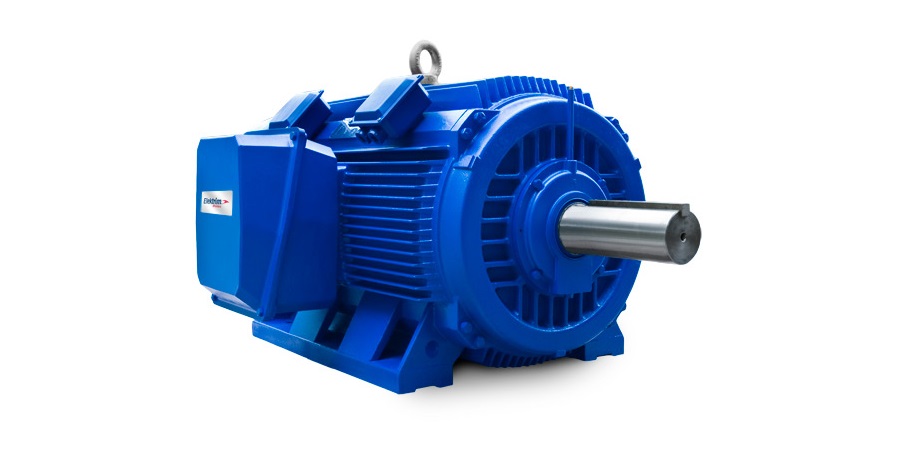
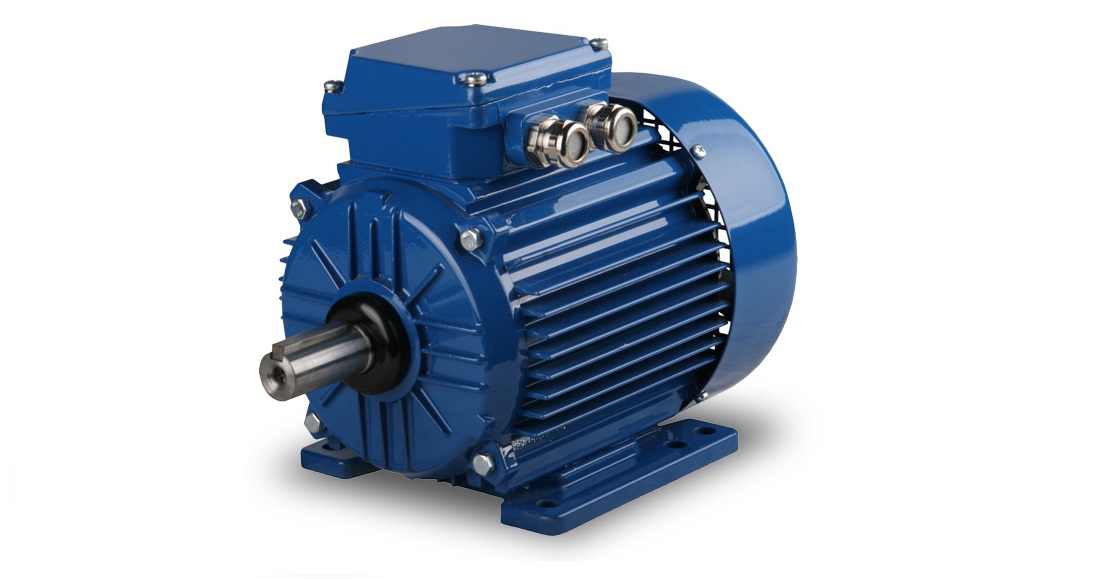
Electric motors play a crucial role in various industries, including manufacturing, agriculture, and transportation. They are integral components in powertrains, hybrid autos, and subsystem controls like window lifters and windshields in vehicles. At the household level, electric motors are omnipresent, powering home appliances, professional kitchen equipment, conditioning systems, elevators, and HVAC systems. In industrial settings, electric motors are even more pervasive, found in every part of modern electrical or automated equipment.
Given that these motors contribute significantly to energy consumption, especially in industrial contexts accounting for up to 40% of global energy production, using special drives becomes imperative. VSDs and VFDs are essential for optimizing energy efficiency and reducing overall energy consumption in alignment with contemporary industrial goals.
What is a Variable Speed Drive (VSD)
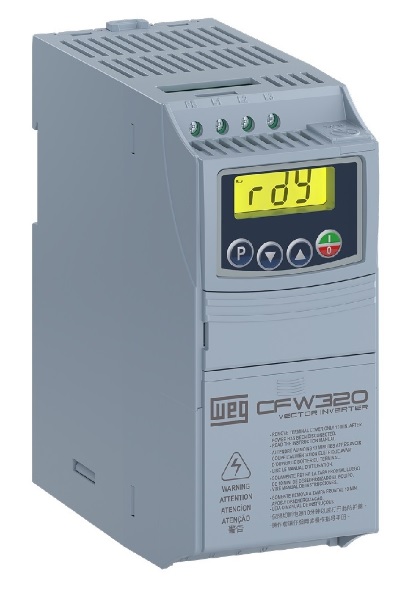
A variable speed drive is a device that controls the energy consumption of an electric motor by adjusting its speed. It operates by modifying the amperage and voltage of the current, allowing the motor to receive the specific voltage and amperage it needs instead of running at full capacity all the time.
For commercial HVAC systems, the drive can provide less input voltage when the system does not require full capacity. Variable speed drives are versatile as they can be used with both AC and DC motors.
In an AC motor, the drive sends alternating electric currents through a distributed winding, creating a rotating magnetic field that controls components such as pumps, compressors, and fans. However, the motor's speed and torque are dependent on the frequency and supply of electricity, making it difficult to change an AC motor's speed. This issue is solved by a variable-speed drive, which converts AC to DC and adjusts the voltage received by the motor.
For DC motors, the drive can directly alter the voltage, resulting in energy savings. Although variable speed drives are suitable for most commercial settings, it is essential to evaluate the system before deciding on this method.
What is Variable Frequency Drive (VFD)
A variable frequency drive (VFD) is another device that controls the speed of an electric motor. However, it works differently by changing the voltage and frequency of the motor rather than the input voltage and amperage. This allows for adjustments in torque and speed, making it more effective in preventing motor damage and improving efficiency. VFDs are limited to AC motors and are most useful for motors that continuously run at different speeds, making them ideal for oversized HVAC systems where it can prevent energy waste.
Distinguishing Between VFD and VSD
Both VFDs and VSDs offer the advantage of improving the efficiency of electric motors by restricting unnecessary power consumption and reducing costs. In situations where the motor is turned on, operating at a high level, and then turned off, a variable-speed drive is recommended for optimal performance above 82% capacity. While it can minimize energy usage when in use, it requires a relatively high level of operation to maintain its effectiveness. On the other hand, a continuous motor is best suited for a variable frequency drive, as it can maintain efficiency when operating below 80% capacity, resulting in cost savings.
Another noteworthy difference is their compatibility. VSDs are compatible with both AC and DC motors, whereas VFDs are exclusively used for AC electric motors.
Conclusion
When deciding to select a control drive for an electric motor, there are two primary options to consider. In the case of an AC motor, the choice can be either a VFD or VSD, depending on the specific work routines and needs. However, for a DC motor, a VSD drive is the only suitable option.
HVH Industrial Solutions is an authorized distributor of WEG, Toshiba, Brunel, Leeson, and North American Electric, and we offer a wide range of their products. We work closely with their engineering team to provide superior customer service and engineering support.
If you have any questions, write to us via live chat or call or send us a quote request. The HVH team is always ready to help you
Requesting ... File size should not exceed 20 MB.